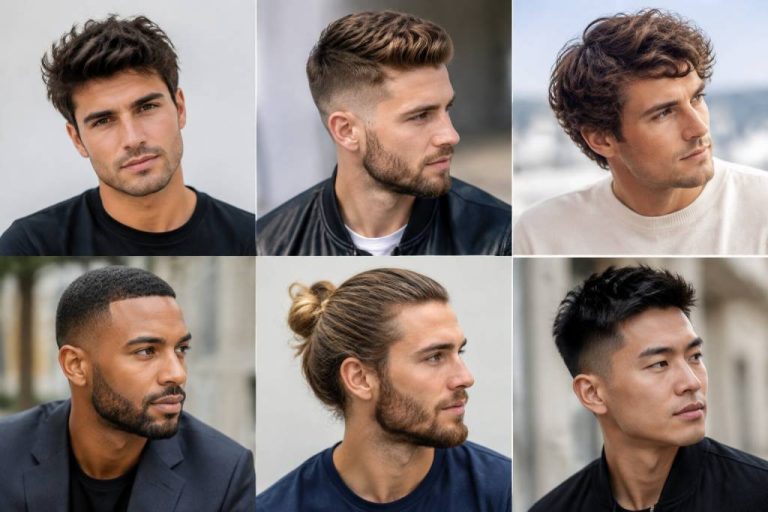
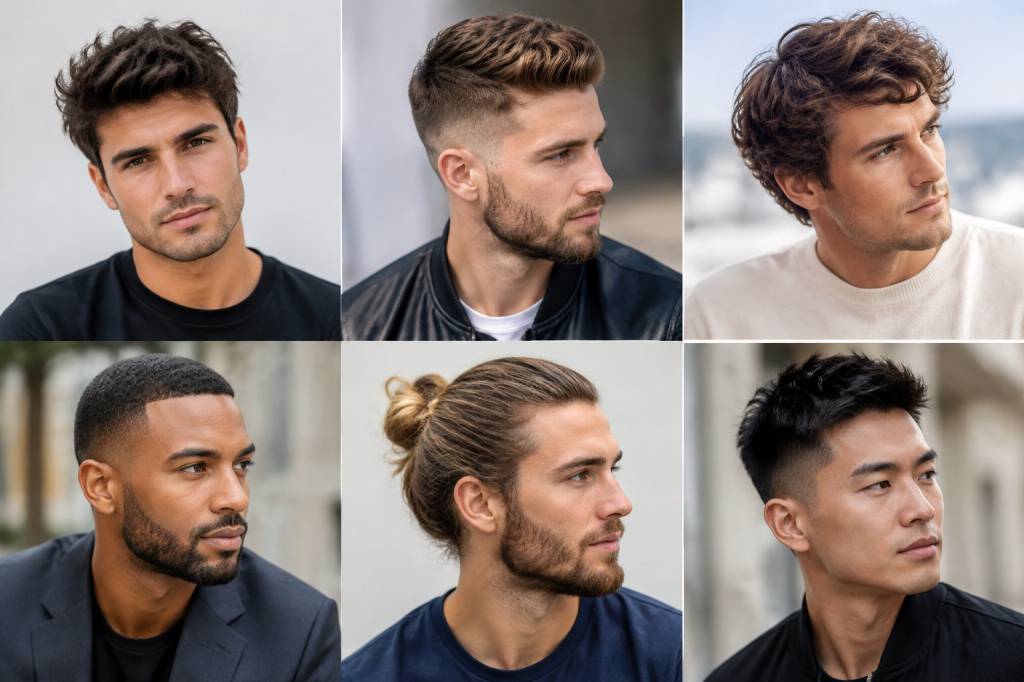
Attractive hairstyles for men to elevate your everyday style
Your haircut speaks before you do. It frames the face, changes the way a shirt sits on your shoulders and can make a tired Monday look a little more deliberate. You do not need a runway wardrobe or a bathroom shelf crowded with expensive products. You need a style that works with your hair, your face and the life you actually live.
The right hairstyle is not about chasing every trend that appears on your feed. It is about finding a shape that gives you presence without demanding your entire morning. A good cut should survive the commute, the weather and the occasional day when you cannot remember where you left the styling paste.
Here are the men’s hairstyles worth considering if you want to elevate everyday style without looking like you tried too hard.
The textured crop: sharp, practical and quietly confident
The textured crop has become a modern classic for good reason. It is short around the sides, slightly longer on top and cut to create movement rather than a rigid helmet of hair. The fringe can be worn forward, pushed slightly to one side or left irregular for a more relaxed finish.
This is an excellent option for men who want a haircut with character but little maintenance. Texture does most of the work. A small amount of matte clay or styling powder gives the top definition, while the sides keep the overall shape clean.
- Best for: straight, wavy or slightly coarse hair.
- Face shapes: oval, square and round, depending on the fringe length.
- Styling time: two to five minutes.
- Ask your barber for: textured layers on top and a natural, not overly polished, finish.
The textured crop has a useful edge: it looks intentional even when it is not perfectly arranged. That matters. Hair should enhance your day, not become another fragile responsibility.
The modern quiff: height without the theatre
The quiff brings volume to the front of the hair and gradually tapers towards the back. The traditional version can look highly styled, but the modern quiff is more forgiving. Less shine, less stiffness, more movement. Think of it as confidence with its collar loosened.
To style it, begin with damp hair and apply a light mousse or volumising spray. Blow-dry the front upwards and slightly backwards, using your fingers or a vented brush. Finish with a small amount of matte pomade. Do not drown the hair in product. A quiff that can survive a light breeze is a quiff worth having.
The modern quiff works particularly well with a taper rather than an aggressive skin fade. The softer sides create balance and make the haircut suitable for the office, a date or an evening where someone has made the mistake of giving you the microphone.
The side part: timeless, but never timid
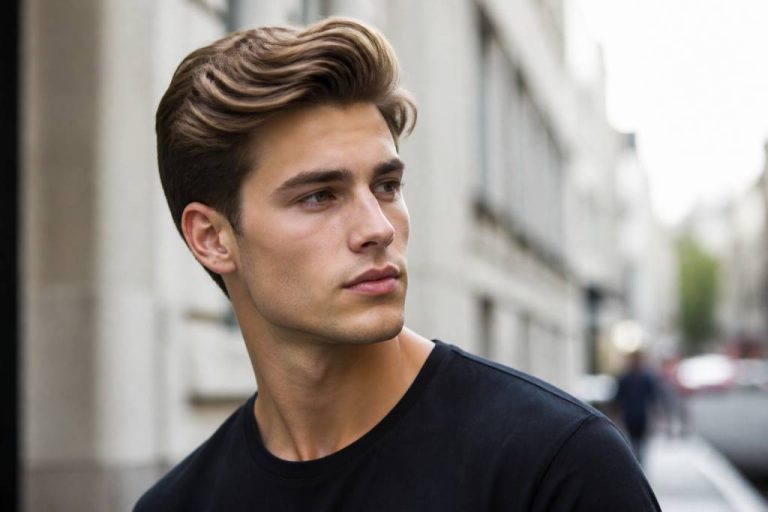
There is a reason the side part refuses to disappear. It creates structure, flatters the face and makes even a simple outfit feel considered. It can be clean and traditional, or loosened with texture for a more contemporary look.
The key is avoiding a hard, artificial divide unless that is genuinely your style. Ask your barber to find your natural parting and work with the direction your hair already wants to take. A soft side part with a taper looks refined without becoming corporate wallpaper.
- Use a comb for a cleaner, more formal finish.
- Use your fingers for a relaxed, textured appearance.
- Choose a matte product for a modern look.
- Choose a low-shine pomade if you want a sharper, classic finish.
This haircut suits men who move between different worlds during the day. It can sit beneath a wool coat, a denim jacket or a plain T-shirt without appearing out of place. Versatility is not dull. It is power kept under control.
The French crop: strong lines, low effort
The French crop is defined by a short fringe and textured length on top. It is compact, masculine and particularly useful for men who prefer not to spend ten minutes negotiating with their hair before leaving the house.
The fringe can be blunt and precise, or uneven and broken for a more natural appearance. The sides may be faded tightly or left with a little more length, depending on how bold you want the result to be.
Men with a higher hairline often find the French crop flattering because the fringe creates visual balance. It is not about hiding anything. It is about giving the face a stronger frame. If your hair is thinning, avoid dragging long strands forward in an attempt to disguise it. A shorter, textured cut usually looks more assured and is easier to maintain.
The textured medium cut: freedom with shape
Not every man needs a fade. Medium-length hair can look powerful when it has movement, definition and a clear silhouette. The textured medium cut works around the ears and neck while keeping enough length on top to create natural volume.
This style is ideal for wavy or thick hair. The aim is not to flatten every strand into obedience. Let the hair behave like hair. A lightweight cream or sea salt spray can enhance the natural texture without producing the stiff, crunchy finish of a forgotten surf advert.
Ask your barber for layers that remove unnecessary weight while preserving the overall length. Too much thinning can make thick hair look frayed. Too little shaping can leave it resembling a small animal nesting on your head.
For daily styling, apply product to towel-dried hair and let it air-dry, or use a diffuser on a low heat setting. Once dry, avoid repeatedly touching it. Hair often looks best when you stop interfering.
The taper fade: clean without going overboard
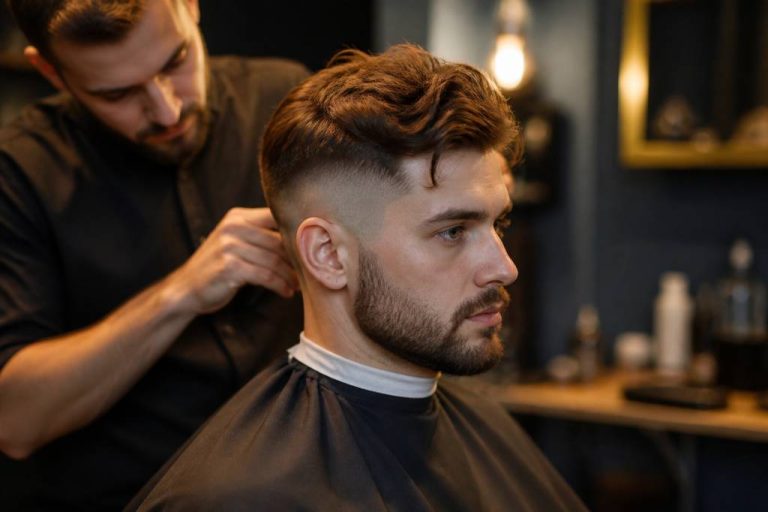
A taper fade gradually shortens the hair around the sideburns and neckline while leaving more length around the sides than a full fade. The effect is tidy but not severe. It gives the haircut a clean edge and lets the top carry the personality.
This is one of the most adaptable choices available. Pair it with a crop for something understated, a quiff for more height or a curly top for contrast. The taper fade suits men who want their haircut to look fresh but do not want the sides reduced to bare skin every few weeks.
Be specific when speaking to your barber. Terms such as “short back and sides” can mean very different things depending on the chair. Bring a reference image, explain how much time you want to spend styling and mention whether you wear hats, helmets or headphones regularly. Your haircut has to function beyond the barbershop mirror.
The buzz cut: direct, clean and uncompromising
The buzz cut removes the noise. With hair kept at a short, even length, the face, head shape and grooming habits become impossible to ignore. It is a bold style precisely because it offers nowhere to hide.
A buzz cut can make the jawline appear stronger and place attention on the eyes, beard and skin. It is also exceptionally easy to maintain. That does not mean it requires no care. A dry scalp, uneven growth or neglected beard will be more visible, not less.
- Use a moisturiser or scalp lotion if your skin feels dry.
- Wear sun protection; a short haircut leaves the scalp exposed.
- Keep the neckline and facial hair cleanly maintained.
- Return to the barber every two to four weeks for a consistent shape.
The buzz cut works best when chosen deliberately. Do not arrive at it after a bad home haircut while claiming it was always the plan. Own the decision from the beginning.
Curly hair: shape the strength you already have
Curly hair should not be treated as a problem to flatten. Its texture is an asset. The right haircut gives curls room to form while controlling bulk around the sides and neckline.
A curly crop keeps the top compact and defined. A longer, layered cut allows more movement and creates a stronger silhouette. For tighter curls, a rounded shape can look substantial and deliberate. The important detail is balance: the haircut should follow the natural pattern rather than fight it.
Use a curl cream or lightweight leave-in conditioner on damp hair. Scrunch gently, then allow the curls to dry without combing them into oblivion. Shampooing every day can strip away the oils that keep curls healthy, so experiment with a gentler routine. Your hair is not dirty simply because it has texture.
When visiting a barber, find someone experienced with curly hair. Cutting curls wet can be misleading because they contract as they dry. A professional who understands shrinkage will save you from the unpleasant surprise of discovering that your “medium length” has become a small, determined halo.
The slick back: controlled, not greasy
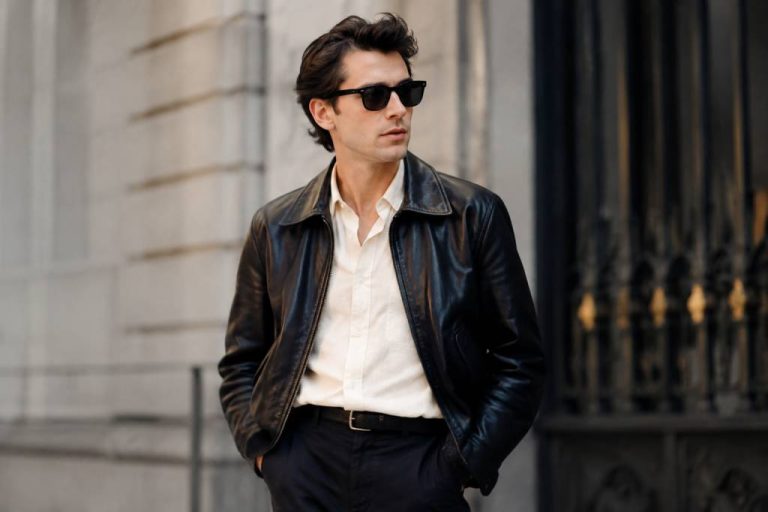
The slick back has an unmistakable presence. It draws the hair away from the face and creates a long, clean line from the forehead to the crown. Done well, it is elegant. Done badly, it suggests an oil spill with ambitions.
Modern versions use a low-shine pomade or styling cream rather than heavy gel. Keep some natural texture instead of pressing every strand into place. The sides can be tapered, faded or left longer for a more traditional shape.
This style tends to work best with medium to thick hair. Very fine hair may need a volumising pre-styler to avoid looking flat. Apply product gradually, starting at the back and working forward. The front needs control, but it should not appear shellacked.
The slick back is particularly effective with simple clothing: a white shirt, dark trousers, a work jacket. When the hair already has authority, the rest of the outfit can afford to remain quiet.
How to choose a style that actually suits you
Face shape matters, but it is not a prison sentence. Hair density, texture, hairline and lifestyle are usually more important. A style that looks excellent on a model may fail in your bathroom because the model has different growth patterns, a professional stylist and lighting that could make a potato look heroic.
- Oval faces can carry most styles, from crops to medium-length layers.
- Round faces often benefit from height on top and tighter sides.
- Square faces suit textured crops, short cuts and styles that soften the edges slightly.
- Longer faces usually look balanced with moderate volume and less height.
- Receding hairlines often work well with shorter, textured styles rather than forced coverage.
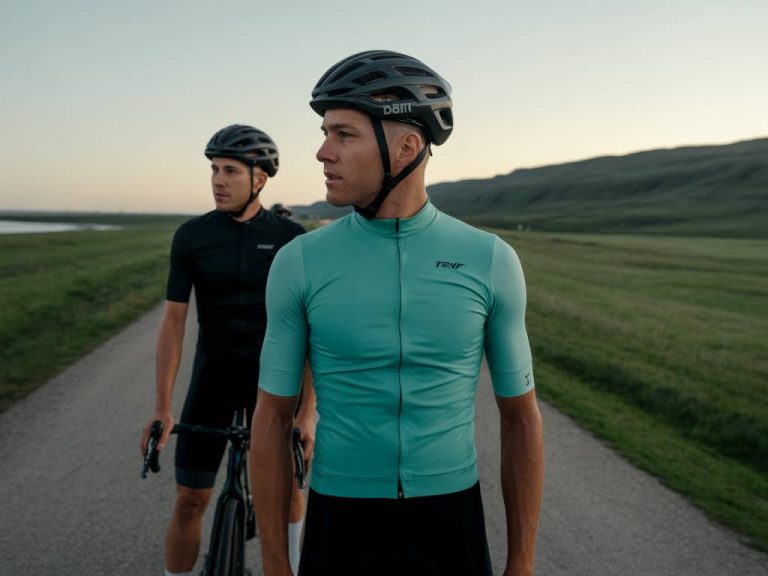
Consider your routine honestly. Do you cycle to work? Wear a hard hat? Exercise before sunrise? Stand in front of clients all day? The best hairstyle is the one that still looks good after the realities of your life have had their say.
The maintenance that makes the haircut work
A strong haircut can be ruined by weak maintenance. Wash according to your hair type rather than habit. Oily hair may need more frequent cleansing, while dry or curly hair often benefits from a gentler schedule. Use conditioner when your hair feels rough, tangled or lifeless.
Learn the difference between damp and soaking wet hair. Most styling products work better when the hair has been towel-dried. Start with a small amount, warm it between your palms and distribute it from the back forward. Adding more is easy. Removing half a jar from your scalp before a meeting is less elegant.
Book regular trims before the shape collapses. Short styles may need attention every three to four weeks. Medium-length cuts can often stretch to six or eight weeks, depending on how quickly your hair grows. A clean neckline and controlled sideburns make a surprising difference, even when the top is deliberately messy.
Make the haircut part of the uniform
Your hairstyle should work with the rest of your presentation. A textured crop pairs naturally with casual layers and workwear. A side part complements tailoring. Medium-length waves sit well with relaxed shirts, denim and heavier fabrics. A buzz cut can sharpen an otherwise minimal wardrobe.
None of this means you must dress like a character from a catalogue. It simply means paying attention to proportion. If the hair is high and structured, keep the clothing cleaner. If the hair is loose and expansive, sharper details can create balance.
Style is not a performance for strangers. It is the quiet discipline of deciding how you want to enter a room. Choose a haircut that reflects the man you are becoming, not just the image you saved at two in the morning.
À propos de l'auteur