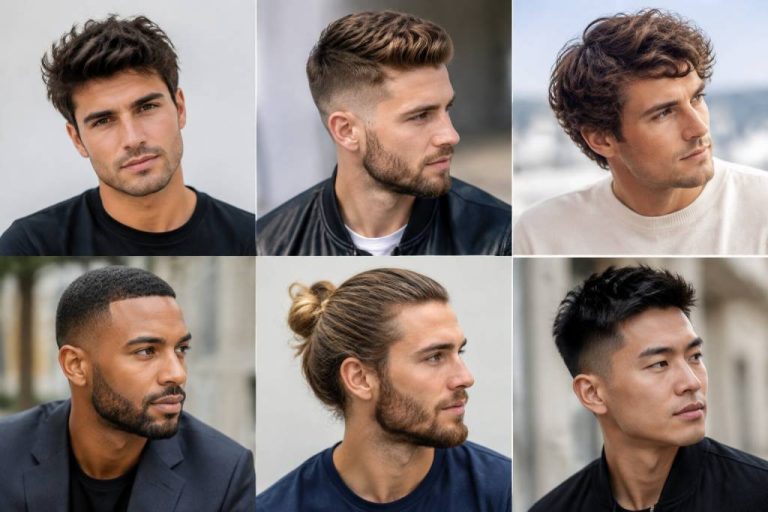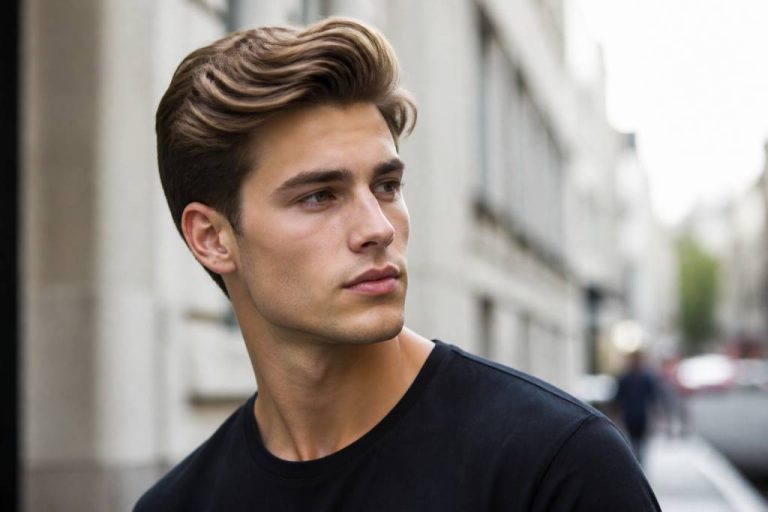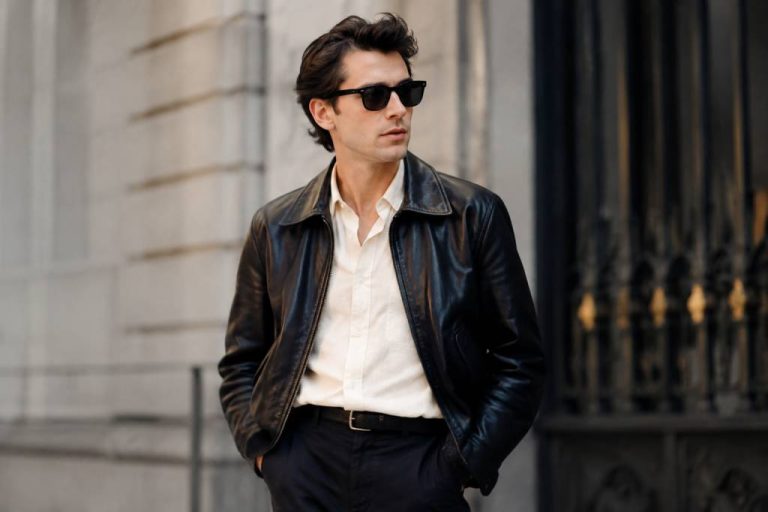
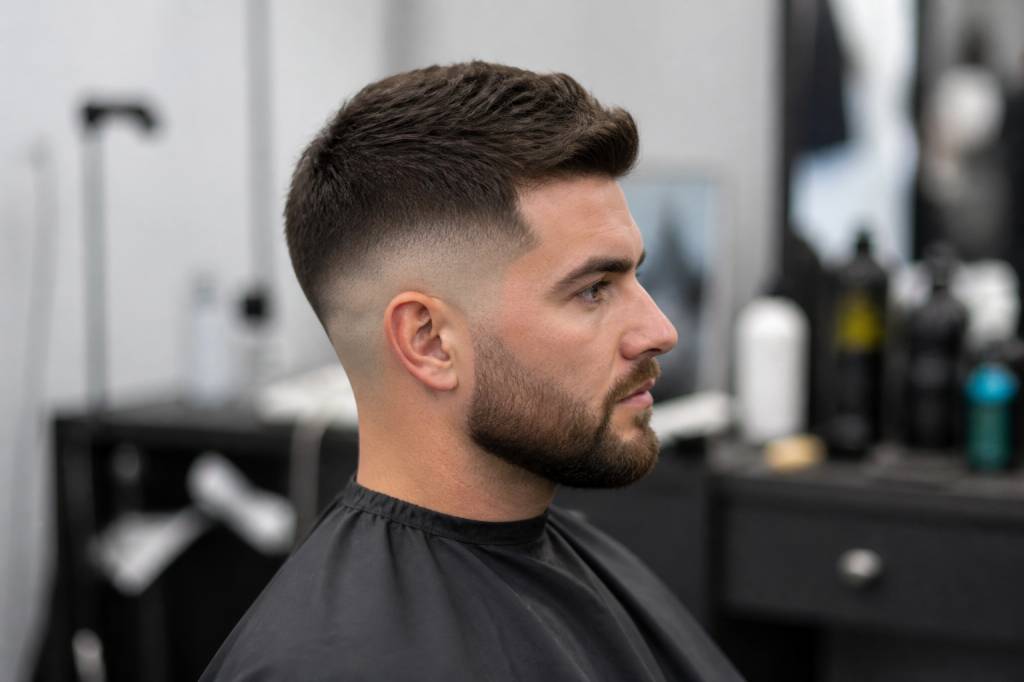
Barbers fade: the modern men’s haircut guide for every face shape
Why the fade still rules the chair
The barbers fade has become the modern man’s default for a reason: it’s sharp, versatile, and it can be brutal in the best possible way. Clean around the ears, tight at the neckline, with enough structure to make your face look more deliberate than it felt at 8 a.m. on a Monday.
But here’s the thing. A fade is not one haircut. It’s a family of cuts, and like most families, some members suit you better than others. The wrong fade can make a round face look wider, a long face look even longer, or a strong jawline look like it’s trying too hard. The right one does the opposite. It balances, sharpens, and quietly upgrades your whole presence without screaming for attention.
If you’ve ever left the barbershop wondering why a fade looked savage on the guy in the chair before you and just “fine” on your own head, this guide is for you. Face shape matters. Hair texture matters. The way your barber blends the transition matters. Ignore that, and you’re gambling with your reflection.
What makes a fade work
A fade is the gradual transition from short hair to longer hair, usually starting above the ears and working upward. The shorter the fade, the more contrast. The higher the fade, the more dramatic the result. The lower the fade, the more subtle and classic the feel.
What gives the cut its edge is not just the blend. It’s the illusion. A fade can pull the eye where you want it to go: upward for height, inward for narrowness, outward for balance. That’s why the best barbers don’t just cut hair. They read geometry like a street map with better lighting.
Before you ask for “just a fade,” know this: a good barber will want to know your face shape, growth patterns, and how much time you’re willing to spend styling it. That’s not small talk. That’s strategy.
How to identify your face shape without lying to yourself
Most men guess wrong. They see a jaw and assume they’re square. They see a chin and think they’re oval. But the mirror doesn’t care about ego.
Look at three things: the width of your forehead, cheekbones, and jawline, plus the length of your face from hairline to chin. That gives you a rough map.
- Round: face length and width are similar, with softer angles.
- Square: strong jaw, broad forehead, angular structure.
- Oval: balanced proportions, slightly longer than wide.
- Rectangle/oblong: face is noticeably longer than it is wide.
- Diamond: narrower forehead and jaw, wider cheekbones.
- Heart: wider forehead, narrower jaw and chin.
If you’re still unsure, take a photo straight on with your hair pulled back and stop pretending your face has “unique energy” that defies classification. It doesn’t. It has angles.
Best fade for round faces
Round faces need contrast and height. The aim is to add structure and elongate the shape without making the sides too bulky. A high fade or a mid-to-high skin fade usually works best because it creates vertical lines and removes weight where roundness tends to live.
Pair it with a textured top, a quiff, or a cropped style with some lift. You want height, not helmet hair. A fringe that falls straight across the forehead can make a round face look shorter and wider, which is rarely the move.
Good options:
- High skin fade with textured crop
- Mid fade with a messy quiff
- High taper fade with short sides and volume on top
A small anecdote from the chair: guys with round faces often ask for “something neat” and walk out with sides too long and top too flat. They look tidy, yes, but also a little trapped. Give the face room to breathe upward. That’s where the power is.
Best fade for square faces
Square faces already have the sort of jawline people write poems about when they’re trying to look serious in old black-and-white photos. The goal here is not to soften the masculinity. It’s to frame it properly.
A low fade or mid fade works well because it preserves some weight near the temples and keeps the cut clean without overexposing the sides. Too high, and you can make the face look boxier, almost severed. That’s not the vibe unless you’re auditioning for a military recruitment poster.
Styles that fit well:
- Low fade with side part
- Mid fade with slick back
- Low taper fade with textured top
If your hair is thick, ask for controlled texture rather than a harsh, flat finish. If it’s fine, keep the top short and sharp so the face remains the main event. Square faces can carry more structure than most, but structure without balance becomes rigidity. Nobody needs that in a haircut or in life.
Best fade for oval faces
Oval faces are the most forgiving, which is both a gift and a trap. Almost any fade can work, but that doesn’t mean every fade will do something interesting. With this shape, the main risk is overcomplication. You don’t need to force drama where the proportions already behave.
A mid fade, low fade, or taper fade tends to complement the natural balance. You can wear shorter sides with a textured top, a classic crew, or even a neat side-swept style. Since the face is already balanced, the haircut can lean into your personal style rather than correcting anything.
Best bets:
- Low fade with textured quiff
- Mid fade with French crop
- Taper fade with classic comb-over
The danger with oval faces is going too extreme on the top or sides and losing that natural harmony. A huge pompadour or an ultra-high fade can still work, but only if the rest of your look has the confidence to back it up. Otherwise, the haircut wears you instead of the other way around.
Best fade for long or oblong faces
Long faces need width, not more height. That means steering away from towering volume and ultra-high fades that stretch the face even further. The objective is to shorten the visual length and create the illusion of broader proportions.
A low fade or classic taper fade is usually the safest and strongest option. Keep the top moderate in length and avoid excessive lift. A fringe can help break up the vertical line and add balance to the face.
Strong choices include:
- Low fade with textured fringe
- Taper fade with side part
- Mid fade with controlled, flat-ish top
This is where barbers can quietly work magic. A slightly longer side section, a softer blend, or a fringe placed with intention can change the whole silhouette. You’re not trying to shrink the face. You’re trying to give it somewhere to land.
Best fade for diamond faces
Diamond faces are all about contrast: wider cheekbones, narrower forehead and jaw. The trick is to add balance to the upper and lower halves while keeping the cheekbones from looking too dominant.
Fades that are too tight on the sides can make the cheekbones pop even more, which can be striking, but sometimes harsh. A low fade or low taper fade is often ideal because it preserves some softness around the temples and jaw. Pair it with a textured top or a fringe to add a little width up front.
Best styles:
- Low fade with messy fringe
- Taper fade with textured crop
- Mid fade with loose side sweep
If you’ve got a diamond face, you already have natural definition. The haircut should support that, not fight it. Think frame, not spotlight.
Best fade for heart-shaped faces
Heart-shaped faces usually carry more width at the forehead and a narrower jaw. This means the fade should avoid making the top feel too heavy or the sides too bare. You want a cut that adds balance toward the lower half of the face and doesn’t exaggerate the forehead.
A low fade or taper fade is often the smartest move. Keep some softness around the temples and don’t go too aggressive with height on top. A textured fringe, brushed-forward crop, or side-swept style can work beautifully here.
Good options:
- Low taper fade with textured fringe
- Mid fade with side-swept top
- Low fade with short crop
The best heart-shaped haircuts make the whole face feel grounded. Less “look at my forehead,” more “yes, I know exactly what I’m doing.”
Choosing the right fade level
Once you know your face shape, the next decision is the fade level itself. This is where the haircut stops being theory and becomes personal.
- Low fade: subtle, clean, classic. Great for mature, versatile looks and for balancing longer or narrower faces.
- Mid fade: the middle ground. Sharp enough to feel modern, restrained enough to avoid looking overworked.
- High fade: bold, high-contrast, and best for adding height or creating a very sharp silhouette.
- Skin fade: goes all the way down to bare skin. Clean and dramatic, but it needs maintenance.
- Taper fade: softer and more natural, usually focused around the sideburns and neckline.
If you’re the kind of man who likes minimal upkeep, a taper fade or low fade may suit you better. If you like a sharper edge and don’t mind seeing your barber more often than your mother, a skin fade can be lethal in the best possible way.
Hair type matters just as much as face shape
Face shape is only half the story. Hair texture can change the entire outcome. Thick hair holds structure better. Fine hair needs careful layering and less bulk. Curly or wavy hair gives the fade more movement, but it can also make the transition look heavier if not blended properly.
- Thick hair: works well with high fades and textured tops, but needs weight removed properly.
- Fine hair: does better with subtle fades and styles that build the illusion of density.
- Wavy hair: pairs well with mid fades and natural texture.
- Curly hair: benefits from controlled fades that respect curl pattern and shape.
Don’t force a haircut that fights your hair’s natural behavior. That’s how you end up styling it into submission every morning like you’re negotiating with a stubborn animal.
How to talk to your barber without getting lost in translation
“Just make it good” is not a haircut brief. It’s a cry for help.
Bring reference photos, but make sure they reflect your hair type and face shape. A photo of an actor with a dense hairline and a jaw carved by the gods may not translate to your own head. What matters is the silhouette, the fade height, and the finish on top.
Say things like:
- “I want a low fade that keeps some weight on the sides.”
- “Can we keep the top textured, but not too high?”
- “My face is a bit longer, so I want balance rather than extra height.”
- “I need something that grows out cleanly.”
A decent barber will respect clarity. A great barber will refine your idea before the first clipper guard even hits the head.
How to keep a fade looking sharp after the chair
The hardest part of a fade is not getting it. It’s maintaining the illusion that you woke up like that.
Skin fades and high fades grow out faster because the contrast is more visible. Low fades and tapers are kinder over time. If you want to keep the cut fresh, expect a touch-up every two to three weeks for sharper styles, or every three to five weeks for more relaxed ones.
Simple maintenance helps a lot:
- Use a lightweight matte product for texture
- Don’t overload the top with grease or shine unless that’s the look
- Wash and condition based on hair type, not habit
- Keep the neckline tidy between cuts if you can
And yes, the fade that looked immaculate on Friday can start looking tired by Wednesday if you ignore it. That’s not vanity. That’s reality. Grooming is part discipline, part rebellion.
The fade as a statement, not just a haircut
A barbers fade does more than clean up your silhouette. It signals intention. It says you paid attention to the details, even if the rest of your week felt like chaos. It can make a plain outfit look sharper, a tired face look more awake, and a crowded room feel slightly more navigable.
That’s the quiet power of a good men’s haircut. It doesn’t need to shout. It just needs to fit. When the fade matches your face shape, your hair type, and the way you actually live, it stops being trend-chasing and becomes part of your character.
So next time you sit in the chair, don’t just ask for a fade. Ask for the right fade. The one that understands your face, respects your hair, and leaves you looking like yourself, only more dangerous.
À propos de l'auteur