


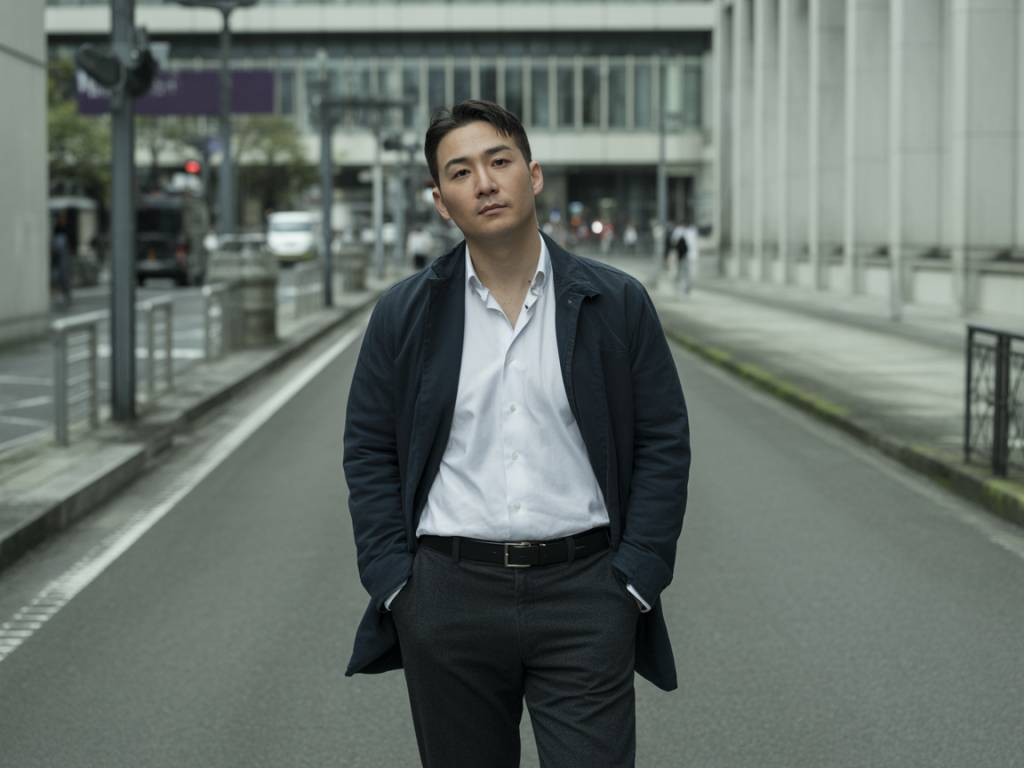
Understanding Japanese minimalism beyond the buzzword
Minimalism has become a marketing term in Western culture, slapped on everything from apps to sneakers. But Japanese minimalism is not just “owning fewer things.” It’s a philosophy that connects aesthetics, daily habits and inner calm. For the modern man, it offers a way to simplify his wardrobe and, more importantly, his mental landscape.
Rooted in ideas like ma (the beauty of empty space), wabi-sabi (the appreciation of imperfection) and Zen Buddhism, Japanese minimalism invites you to question what truly matters. Rather than chasing endless trends, it encourages intentionality: buy less, choose well, use fully, and live lightly.
When this mindset is applied to your style, something powerful happens. Your wardrobe stops being a source of stress and indecision and becomes a quiet, reliable system that supports your life instead of complicating it.
Why modern men are overwhelmed by their wardrobes
Many men today are stuck in a strange paradox: overflowing closets, but “nothing to wear.” The problem isn’t a lack of clothing, but a lack of clarity. Fast fashion, social media and constant micro-trends flood us with options, leaving us mentally exhausted every morning before the day even starts.
This decision fatigue drains willpower that could be better used on work, health, relationships and creativity. A chaotic wardrobe often reflects (and reinforces) a chaotic headspace: impulse purchases, mismatched pieces, clothes that don’t quite fit your life, or your body, anymore.
Japanese minimalism offers a refreshing alternative. Instead of thinking “What else do I need to buy?” the question shifts to “What can I remove, refine or upgrade so that my wardrobe works for me?”
The core principles of Japanese minimalism applied to menswear
To reshape your wardrobe and mindset, it helps to understand a few key Japanese concepts and how they translate into style choices.
Ma – the power of empty space
Ma is the idea that emptiness has value. In a wardrobe context, empty hangers, clear shelves and visible space are not signs of lack, but of clarity.
Wabi-sabi – embracing imperfection and patina
While Western fashion often chases the new and flawless, wabi-sabi appreciates the beauty of age and wear.
Shibui – understated refinement
Shibui refers to a quiet, subtle elegance. Nothing loud, nothing screaming for attention.
Building a Japanese-inspired minimalist wardrobe
You don’t need to dress like you live in a Tokyo design magazine. The goal is not aesthetic cosplay, but creating a wardrobe that reflects the best of Japanese minimalism while fitting your lifestyle.
Start with a neutral foundation
A restrained color palette makes everything easier to mix and match.
Prioritize silhouette and fit over quantity
Minimalism is unforgiving to poor fit; with simple clothes, the cut becomes everything.
Choose versatile, season-spanning pieces
Japanese minimalist wardrobes often rely on layering and adaptability.
Quality over hype
Minimalism doesn’t always mean luxury labels. It means smarter choices.
Decluttering: the mental reset hiding in your closet
Before you build, you need to subtract. Japanese minimalism starts with letting go.
Take everything out of your wardrobe and ask, honestly, piece by piece:
Create three piles:
The act of editing your wardrobe is more than a practical step; it’s a psychological reset. You are, in a very literal sense, choosing which version of yourself you want to carry forward.
How a minimalist wardrobe reshapes your mindset
The most profound effect of Japanese minimalism is not what you see in the mirror, but what happens in your mind and daily routine.
Less decision fatigue
When most of your clothes work together, getting dressed becomes nearly automatic.
More intentional consumption
A minimalist approach rewires how you think about buying.
A stronger sense of identity
Paradoxically, owning fewer, more aligned pieces can make your personal style more distinctive.
Integrating Japanese minimalism into your daily rituals
Minimalism is not a one-time closet purge; it’s an ongoing practice. The wardrobe is just the entry point.
Curate your morning
Practice maintenance as mindfulness
Apply the same lens to the rest of your life
Where to start today
You don’t need to empty your closet tomorrow or invest in an entirely new wardrobe. A Japanese minimalist approach favors gradual, thoughtful change.
Over time, you’ll notice a shift. Your closet will feel lighter, your mornings simpler, your purchases more satisfying. Japanese minimalism is not about deprivation; it’s about removing noise so that what remains—your clothes, your rituals, your presence—can speak with quiet, unmistakable clarity.