


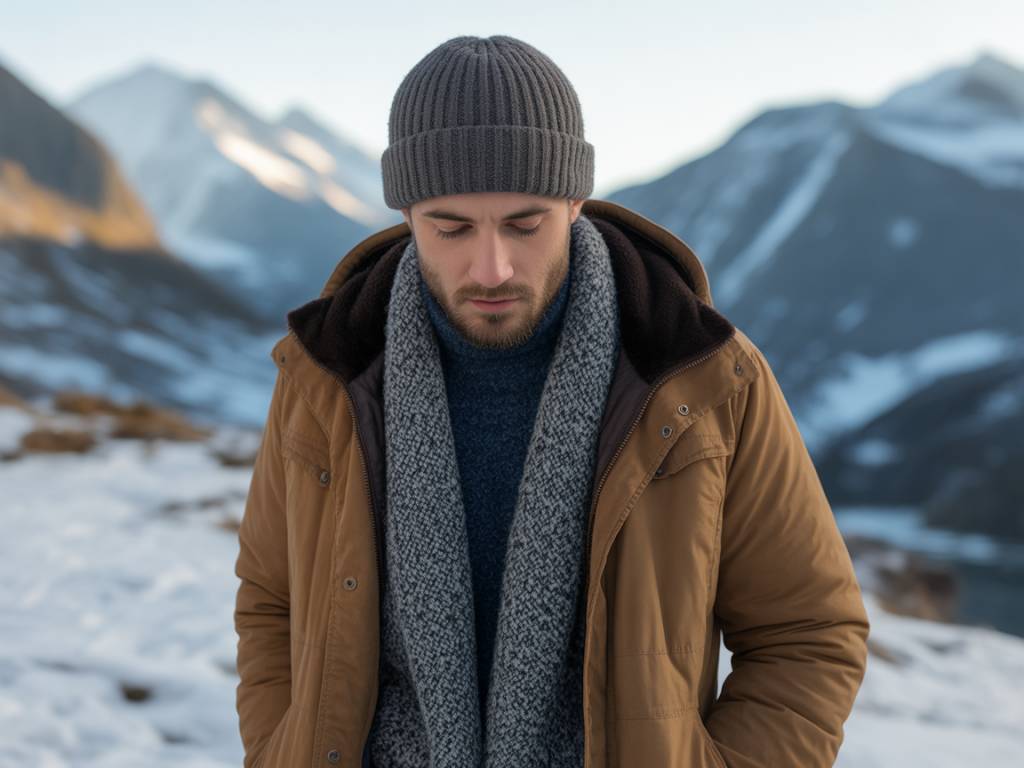
Why winter style still matters for modern men
Cold weather exposes more than your breath in the air. It reveals how you handle discomfort, how you prepare, and how you choose to show up when conditions are less than ideal. For men today—navigating questions of identity, purpose, and strength—winter can be a quiet training ground. What you wear, how you layer, and the small rituals you build around cold-weather style can become tools for both masculinity and mental resilience.
This isn’t about looking like a catalog model; it’s about using style as a framework for discipline, self-respect, and grounded presence. Winter gives you resistance in the form of cold, darkness, and inertia. How you respond can either drain you… or forge you.
The forgotten masculine value of preparation
Before central heating and same-day delivery, a man’s ability to prepare for winter could define the survival of his family or community. Firewood stacked. Boots mended. Coats patched. Being “ready for the cold” wasn’t vanity—it was responsibility.
Modern life has dulled that edge. A poorly chosen coat just means you complain on the commute, not that you risk frostbite in the field. Yet the instinct for preparation is still deeply masculine, and style is an accessible way to reconnect with it.
Investing in proper winter gear becomes less about trends and more about a mindset:
- Choosing a quality overcoat that will last a decade instead of grabbing the cheapest option each year.
- Owning one pair of well-made, weatherproof boots instead of several fast-fashion sneakers that fall apart in slush.
- Selecting gloves, scarves, and hats that allow you to actually function outdoors instead of constantly rushing back inside.
These decisions train the same muscles you need for mature masculinity: foresight, patience, long-term thinking, and care for your future self.
Discomfort as a controlled training ground
Modern comfort is both a blessing and a trap. Warm cars, heated offices, food delivered to your door—these conveniences shrink the amount of discomfort you encounter. The less discomfort you face, the more fragile you feel when life inevitably gets hard.
Winter dressing can become a kind of micro-discipline. When you choose to walk instead of drive because you’ve equipped yourself with a proper coat and boots, you’re not only burning calories—you’re rehearsing resilience. You’re signaling to yourself: “I can handle this.”
Layering intelligently is a perfect metaphor:
- Base layer: Thermal or merino wool worn close to the skin to regulate temperature. This is your foundation—like your values and routines.
- Mid layer: A sweater or overshirt that adds warmth and texture. This is your day-to-day identity—how you show up in work and relationships.
- Outer layer: A durable coat or parka that shields you from the elements. This is your boundary—the protection you carry into a harsh world.
Learning to manage your temperature through layering teaches you awareness and adaptation. You become more attuned to your body, your environment, and your needs. That kind of self-awareness is at the core of mental resilience.
The psychology of dressing with intention
It’s easy to dismiss clothing as surface-level, but psychology research has repeatedly shown that what you wear changes how you feel and behave. The term “enclothed cognition” describes this effect: clothing not only sends signals to other people; it sends signals to your own brain.
On cold, grey mornings, throwing on baggy, mismatched layers because “no one will see me under my coat anyway” may seem harmless—but it subtly reinforces lethargy. In contrast, taking five extra minutes to put together a considered winter outfit gives you:
- A sense of agency in a season that can feel oppressive.
- A visual reminder that you’re a man who makes an effort, even when energy is low.
- A small daily win before you step out the door.
Intention beats perfection. A well-fitted wool overcoat, a scarf that actually complements your knitwear, leather gloves that you’ve conditioned and cared for—these things create micro-moments of pride. And pride, when it comes from effort rather than ego, stabilizes you mentally.
Cold-weather rituals that stabilize your mind
Rituals are repeated actions that carry meaning. They act like psychological handrails in seasons that feel unstable. Winter, with its shorter days and heavier skies, is the perfect time to build rituals around style and self-care.
Here are a few masculine winter rituals that blend style with mental resilience:
- Sunday gear maintenance: Take 20–30 minutes each week to brush your wool coat, condition your leather boots and gloves, and reorganize your winter accessories. This sends a subtle message: “I take care of my tools.” It also anchors your week with something hands-on and grounding.
- Morning layering check-in: Instead of rushing, spend an extra five minutes each morning choosing layers with intention. Ask: “What conditions am I facing today, and how do I want to show up?” This simple question links appearance to purpose.
- Cold-weather coffee walk: Pick one or two mornings a week where you deliberately walk a longer route—properly dressed—to get your coffee or breakfast. The cold becomes a tactile reminder that you can do hard things before your workday even starts.
- Evening reset: Have a designated spot where your coat, scarf, hat, and gloves live. Hang them up properly instead of dropping them on a chair. That tiny act of order at the end of a chaotic day has disproportionate psychological benefits.
Key winter style pieces that support resilience
You don’t need a walk-in wardrobe to build powerful cold-weather rituals. Focus on a few well-chosen, reliable items that balance form, function, and durability.
- The overcoat or parka: Whether you lean toward a classic wool overcoat or a technical parka depends on your lifestyle. A charcoal or navy wool coat works with everything from denim to tailoring, signaling quiet confidence. A well-insulated parka suits men who spend more time outdoors, commute by foot, or live in harsher climates. In both cases, prioritize:
- Quality fabric or insulation.
- A fit that allows for layering without looking bulky.
- Simple, timeless design over loud branding.
- Weatherproof boots: Cold, wet feet will drain your mental energy faster than any meeting. Go for leather or high-grade synthetic boots with:
- Good tread for ice and slush.
- Water-resistant or waterproof construction.
- A shape that works with both jeans and wool trousers.
Treat them with conditioner or waterproofing spray—it’s a practical ritual that gives them longer life and gives you a sense of stewardship.
- Merino wool layers: Merino base layers and sweaters regulate temperature, resist odors, and feel good against the skin. Owning a couple of merino turtlenecks or crewnecks in neutral tones (charcoal, navy, oatmeal) makes dressing in the dark winter mornings almost automatic.
- Gloves, scarf, and hat that you actually like: Too many men treat these as afterthoughts. Instead, choose:
- Leather or wool gloves that fit your fingers properly.
- A scarf in a color or pattern that lifts your mood without screaming for attention.
- A beanie or flat cap that suits your face shape and feels like part of your identity, not something you’re embarrassed to wear.
When you enjoy these pieces, you’re less likely to rush out underdressed, which means you’re more likely to embrace the season instead of resenting it.
Style as a quiet answer to modern masculine anxiety
Many men today feel caught between outdated stereotypes of toughness and newer expectations of emotional openness. Winter style offers a quiet middle path. You don’t need to perform masculinity by pretending you never feel cold. You also don’t need to surrender to total softness and neglect your physical presence.
Instead, you can:
- Respect your body enough to protect it with well-chosen clothing.
- Respect your mind enough to use style as a daily structure, not a distraction.
- Respect your environment enough to face it with readiness rather than avoidance.
A man who dresses well for cold weather is sending a message—not just to others, but to himself: “I am here, I am prepared, and I intend to endure.”
Practical ways to start your own cold-weather style ritual
If your winter wardrobe currently consists of a single puffer jacket and sneakers that hate puddles, you don’t need a full overhaul. Think in terms of small, deliberate upgrades that carry psychological weight.
- Upgrade one category at a time: Start with what fails you most. Are you always shivering? Invest in a real coat. Always slipping? Prioritize boots with grip. Hands numb? Get proper gloves.
- Set a mini ritual around each new piece: When you buy a wool coat, commit to brushing it every Sunday night. When you invest in boots, commit to cleaning them after the first truly messy day.
- Use cold days as mental training days: On the harshest mornings, instead of complaining, quietly note: “This is where I practice.” Dress intentionally, step out into the cold, and treat the walk as a resilience exercise.
- Align your style with your values: If you care about longevity, choose items built to last. If you value minimalism, stick to a restrained color palette. The more your wardrobe reflects your values, the more stabilizing it feels.
Let winter sharpen you, not shrink you
Cold weather doesn’t have to be something you “survive” while waiting for spring. It can be a season that quietly shapes you—if you let it. When you treat your winter style as a set of deliberate rituals rather than random reactions, you tap into older, more grounded versions of masculinity: prepared, steady, quietly strong.
The coat you fasten, the boots you lace, the scarf you wrap around your neck—these become more than fabric and leather. They are daily, physical reminders that you are capable of meeting difficult conditions with composure. And in a world that constantly tests men mentally and emotionally, that kind of embodied resilience is not a luxury; it’s a necessity.