


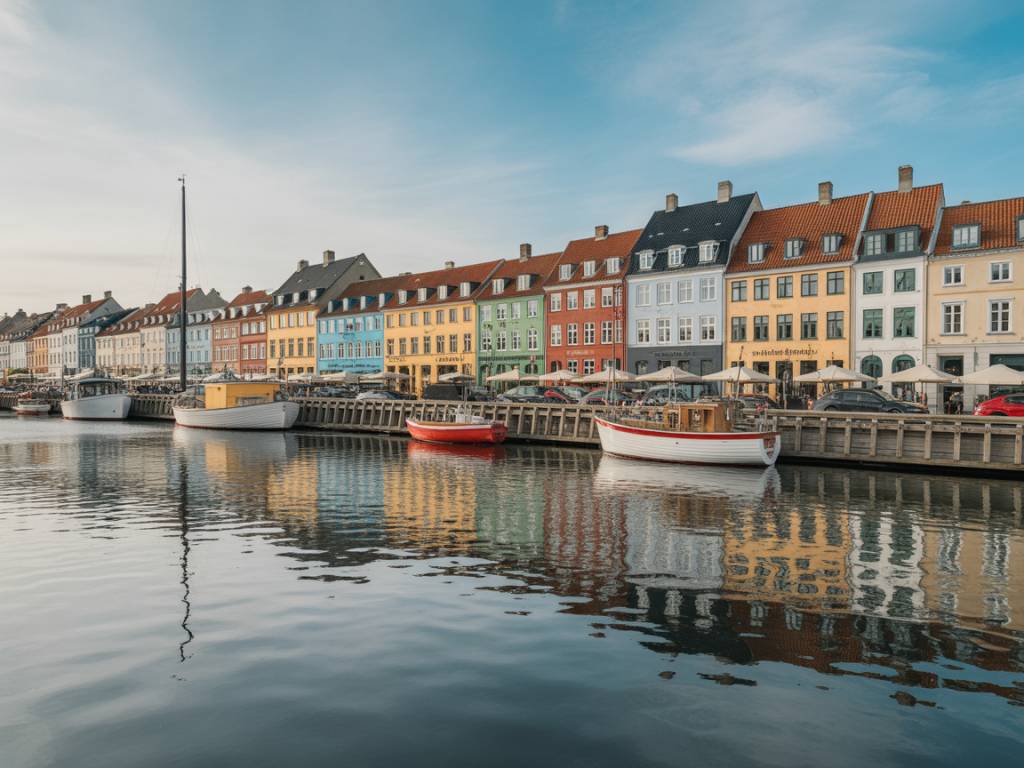
Some destinations hand you a postcard. Denmark hands you a mirror. Whether you land in Copenhagen for the architecture, the food scene, or the elusive warmth of hygge, you leave carrying something harder to name — a quieter version of yourself. For men navigating the tension between ambition and stillness, between sharp edges and soft moments, Denmark is the best place to visit for design, food, and hygge experiences that genuinely rewire how you move through the world.
Why Denmark Is the Best Place to Visit for Design, Food, and Hygge Experiences
Denmark consistently ranks among the world’s happiest nations — not by accident, but by design. Literally. The Danes have built an entire culture around intentionality: in the objects they create, the meals they prepare, and the spaces they inhabit. Unlike destinations that overwhelm with spectacle, Denmark earns its place through precision and atmosphere. It’s a country that rewards the man who knows how to pay attention.
Copenhagen alone attracts over 10 million tourists annually, yet manages to feel personal. That’s a feat of cultural architecture. Here’s what makes Denmark worth every hour of the journey.
Danish Design: Quiet Power, Enduring Influence
Danish design is not decoration. It is philosophy made physical. Rooted in the principle that beauty and function are inseparable, it produced some of the 20th century’s most iconic objects — Arne Jacobsen’s Egg Chair, the PH lamp by Poul Henningsen, Hans Wegner’s Wishbone Chair. These aren’t museum pieces. You’ll find them in cafés, hotel lobbies, and living rooms across the country.
Where to Experience Danish Design in Person
- Designmuseum Danmark (Copenhagen): Over 100,000 objects spanning centuries of Danish craft and industrial design. The permanent collection is free on Tuesdays. Expect to spend two hours minimum and leave rethinking every piece of furniture you own.
- The Audo, Nordhavn: A hybrid concept space combining a boutique hotel, design showroom, café, and workspace. Concrete walls, velvet details, and enough calm to recalibrate your nervous system.
- Hotel Sanders, Copenhagen: Housed in a 19th-century building near the Royal Theatre, Hotel Sanders fuses Nordic restraint with tactile warmth. Every detail is chosen — not assembled.
- HAY House and Menu stores: Both Danish brands offer contemporary furniture and accessories that balance accessibility with visual intelligence. Ideal for bringing a piece of Denmark home.
There is a particular kind of confidence in simplicity. Danish design embodies it. The absence of clutter isn’t poverty of imagination — it’s a statement of respect for space itself.
Danish Food: Honest Ingredients, Radical Technique
Danish cuisine has undergone one of the most dramatic reinventions in modern food history. When René Redzepi opened Noma in 2003, it didn’t just change Nordic cooking — it reset global expectations. Today, Copenhagen holds more Michelin stars per capita than almost any other city in the world, yet the city’s food culture extends far beyond fine dining.
Iconic Eating Experiences Across Denmark
- Noma (Copenhagen): Even in its final evolution, Noma remains a pilgrimage. The tasting menu changes with each season — wild game in autumn, vegetables in summer, seafood in winter. Reserve months in advance. The experience costs upward of £500 per person, but it is genuinely unlike anything else.
- Manfreds, Nørrebro: Organic, vegetable-forward, and deeply satisfying. No theatre — just exceptional sourcing and honest cooking. The wine list is natural, the atmosphere is neighbourhood-warm.
- Torvehallerne Market, Copenhagen: Opened in 2011, this covered market hosts over 60 stalls. Go on a Saturday morning for freshly shucked oysters, smoked salmon on dark rye, handmade chocolates, and coffee pulled with obsessive care.
- The Coffee Collective, Jægersborggade: One of the finest specialty coffee roasters in Europe. Sit, order a pour-over, and let the process remind you that good things require patience.
- Classic smørrebrød at Aamanns: The open-faced rye sandwich is Denmark’s most democratic dish. At Aamanns, it reaches its highest form — pickled herring, cured meats, fermented vegetables, all layered with architectural precision.
Danish eating is not fast. It’s not performative. A meal here is an argument for slowing down — and it is a convincing one.
Hygge: The Experience That Cannot Be Faked
Hygge (pronounced hoo-gah) has been flattened by lifestyle marketing into scented candles and flannel blankets. In Denmark, it is something older and more serious: a shared commitment to comfort, presence, and the warmth of genuine connection. It is why Danes are among the world’s happiest people despite long, dark winters. They built a culture that makes the darkness liveable.
How to Actually Feel Hygge in Denmark
- Harbour sauna boats: Float through Copenhagen’s canals in a wood-fired floating sauna. The contrast of steam heat and cold Scandinavian air is visceral, restorative, and entirely Danish in spirit.
- The Living Room café: Order tea. Find a window seat. Watch the street. No agenda. This is hygge in its purest urban form.
- Ark Books, Islands Brygge: A thoughtfully curated independent bookshop covering identity, culture, and solitude. Buy something. Read it that evening with a glass of something good.
- A traditional evening in a Danish home: If you have the opportunity — through a guesthouse, a local host, or a community dining experience — take it. The warmth of a Danish living room in winter, lit by candles and low lamps, is not something you manufacture. It is something you receive.
Hygge asks men to do something culturally countercultural: lower the armour. Sit still. Accept warmth without suspicion. Denmark creates the conditions. You provide the willingness.
Moving Through Denmark: Urban Rhythm and Raw Landscape
Denmark rewards movement as much as stillness. Copenhagen is one of the world’s most cycle-friendly cities — over 390 kilometres of dedicated bike lanes mean that riding through the city is not a tourist activity but a local ritual. Rent a bike in Vesterbro and navigate Indre By at your own pace. The city unfolds differently from the saddle.
Experiences Worth Adding to Your Itinerary
- CopenHill: A ski slope and climbing wall built on top of a functioning waste-to-energy power plant. Architecture, sustainability, and ambition fused into a single structure. The views over the city from the top are unambiguous.
- Superkilen Park, Nørrebro: A public space designed to represent the 60+ nationalities living in the surrounding neighbourhood. Soviet gym equipment beside Moroccan fountains beside Thai boxing rings. It is one of the most honest parks in Europe.
- Church of Our Saviour, Christianshavn: Climb the external spiral staircase to the top. The steps narrow. The wind picks up. The view over Copenhagen is worth every second of discomfort.
- Frederiksberg Gardens: For a slower pace — herons, willow trees, canal paths, and the kind of quiet that resets your thinking. Go early morning.
Practical Notes for Visiting Denmark
Denmark is an expensive country by most standards. Budget roughly £150–£250 per day for a mid-range trip including accommodation, food, and transport. Copenhagen’s metro is efficient and well-connected. Most Danes speak excellent English — but learning a word or two of Danish is always met with appreciation.
The best time to visit for the full design-food-hygge experience is late autumn through early spring — when the days are short, the interiors are lit with candles, and hygge becomes not a concept but a necessity. Summer has its own charm, with long evenings and open-air food markets, but the atmospheric core of Denmark lives in the darker months.
Denmark doesn’t perform for you. It simply exists — with extraordinary clarity and quiet confidence. That, in itself, is reason enough to go. Pack a wool layer, leave your schedule loose, and let the country do what it does best: remind you that the finest things in life are rarely the loudest.