


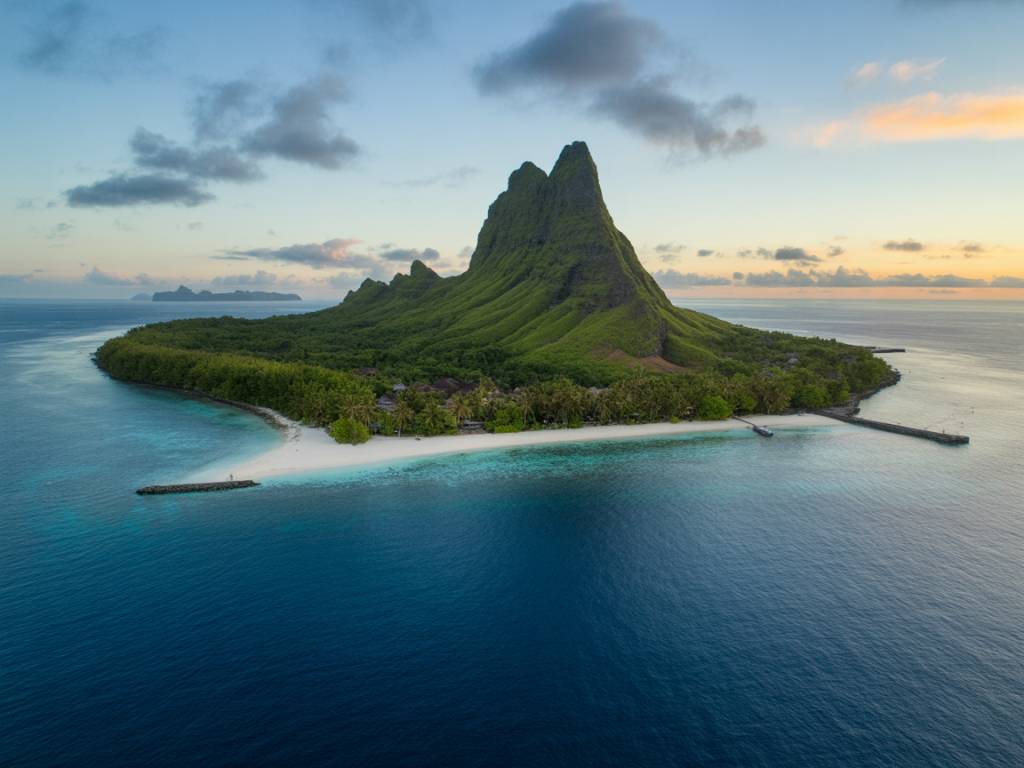
Most men don’t need another holiday. They need a hard reset. Not a poolside cocktail, not a curated itinerary — something rawer. Something that strips the noise away and leaves you with just yourself and the sound of the ocean. If you’re looking for the best Indonesian island for a unique off-the-grid escape, forget Bali. Forget the Gili Islands. The answer sits at the far northwestern tip of the archipelago, jutting into the Andaman Sea like a secret the travel industry never got around to monetising: Pulau Weh.
Why Pulau Weh Is the Best Indonesian Island for a Unique Off-the-Grid Escape
Indonesia spans over 17,000 islands. The vast majority are overlooked. Pulau Weh is one of them — and that’s precisely what makes it extraordinary. Unlike Bali’s Instagram circus or Lombok’s creeping resort sprawl, this small volcanic island off the coast of Sumatra operates on its own terms. There are no luxury hotel chains. No beach clubs pumping EDM at sunset. No influencers staging sunrise shots. What you get instead is honest, unfiltered wilderness: dense jungle, active geothermal terrain, world-class dive sites, and a pace of life that forces you to slow down whether you’re ready or not.
With a surface area of around 156 km² and a population of roughly 35,000, Sabang — the island’s main town — barely registers as a blip. And yet, for the traveller willing to do the work of getting here, Pulau Weh delivers an experience that few places on earth can match.
Getting to Pulau Weh: Earned, Not Given
The journey itself is part of the experience. There are no direct international flights to Pulau Weh. You’ll fly into Sultan Iskandar Muda Airport in Banda Aceh — a city on the northern tip of Sumatra — and then take a ferry to Balohan Harbour on the island. Two ferry options exist:
- Fast ferry: Approximately 45 minutes, runs multiple times daily.
- Slow ferry: Around 2 hours, a cheaper but more atmospheric crossing.
From Balohan, rent a scooter or negotiate with a local driver to reach Gapang Beach or Iboih — the twin heartbeats of the island’s traveller scene. A word of cultural awareness: Banda Aceh operates under Sharia law, making it one of the most conservative cities in Indonesia. Dress modestly in town, keep respectful conduct, and you’ll be welcomed with genuine warmth. Pulau Weh itself is considerably more relaxed, but the same basic respect applies.
Diving Pulau Weh: Underwater Wilderness at Its Finest
If there’s one reason serious travellers make the effort to reach Pulau Weh, it’s the diving. The island sits at the convergence of the Indian Ocean and the Andaman Sea, creating a nutrient-rich marine environment that ranks among the best dive spots in Southeast Asia.
Top Dive Sites
- The Canyon: A dramatic underwater ravine draped in soft corals, frequented by blacktip reef sharks and Napoleon wrasse.
- Batee Tokong: A submerged pinnacle teeming with schooling fish, moray eels, and occasional whale sharks during migration season (roughly November to April).
- Rubiah Sea Garden: Ideal for beginners — shallow, colourful, and densely packed with reef life just off Iboih Beach.
Water visibility regularly exceeds 20 metres. Dive operators on the island are small, independent, and invested. Getting your PADI here isn’t just a certification — it’s a proper initiation. Prices are a fraction of what you’d pay in Bali, typically around $350–$400 USD for an Open Water course, including accommodation at a dive homestay.
Above the Waterline: What Makes This Island Unforgettable
Volcanic Terrain and Hot Springs
Pulau Weh is a volcanic island — and you feel it. Trek inland and you’ll find bubbling sulphur springs, steaming vents, and geothermal pools unlike anything you’d encounter on a package holiday. The most accessible hot springs are near Keudah, a short ride from Sabang. The air smells of the earth’s interior. It’s unsettling in the best possible way.
Slow Living in Sabang
Sabang is a town built for existing, not performing. Mornings start with bitter Acehnese coffee — dark, strong, served in a glass — and grilled fish from street vendors who’ve been setting up the same spot for decades. There’s no coworking space. No wellness retreat selling $20 smoothies. There’s a harbour, a market, motorbikes, and time. That’s the offering. Learn to sit with it.
Iboih Beach and the Jungle Interior
Iboih is where most travellers base themselves — a small cluster of wooden bungalows and dive shops hugging a bay that looks borrowed from a geography textbook on tropical perfection. Beyond the beach, trails cut through jungle thick enough to swallow the sound of the sea. Monkeys crash through the canopy overhead. You’ll find yourself navigating by sound and instinct rather than Google Maps, which — fair warning — becomes highly unreliable the moment you leave the main road.
Practical Kit for the Off-the-Grid Man
- Download offline maps before arrival: Maps.me or Google Maps offline packs. Signal is patchy outside of Sabang and Iboih.
- Biodegradable sunscreen only: The reef ecosystem is fragile. Standard sunscreens containing oxybenzone are actively damaging to coral. Reef-safe alternatives are widely available online before you travel.
- Cash in Indonesian Rupiah: ATMs exist in Sabang but are unreliable. Bring enough Rupiah from Banda Aceh to cover your stay.
- A basic Bahasa Indonesia phrasebook: English is limited outside of dive operators. A few phrases go a long way in earning respect and unlocking genuine hospitality.
- Modest clothing for town visits: Boardshorts are fine on the beach. In Sabang or any inland village, cover up. It’s not negotiable — it’s respectful.
The Kind of Escape That Actually Delivers
The best Indonesian island for a unique off-the-grid escape isn’t the one with the best sunset bar or the most-tagged beach. It’s the one that demands something from you — patience, adaptability, a willingness to sit with discomfort long enough for it to become clarity. Pulau Weh asks all of that and gives back something most holidays never touch: genuine stillness.
You’ll leave with salt in your hair, stories you didn’t plan for, and the quiet satisfaction of having gone somewhere that didn’t need you to arrive. That’s not a postcard. That’s a shift. And for the man who’s ready to find it, Pulau Weh is waiting — silent, volcanic, and completely indifferent to your comfort zone.