How to build a minimalist men’s travel wardrobe that works from city meetings to mountain trails
Why a minimalist men’s travel wardrobe matters
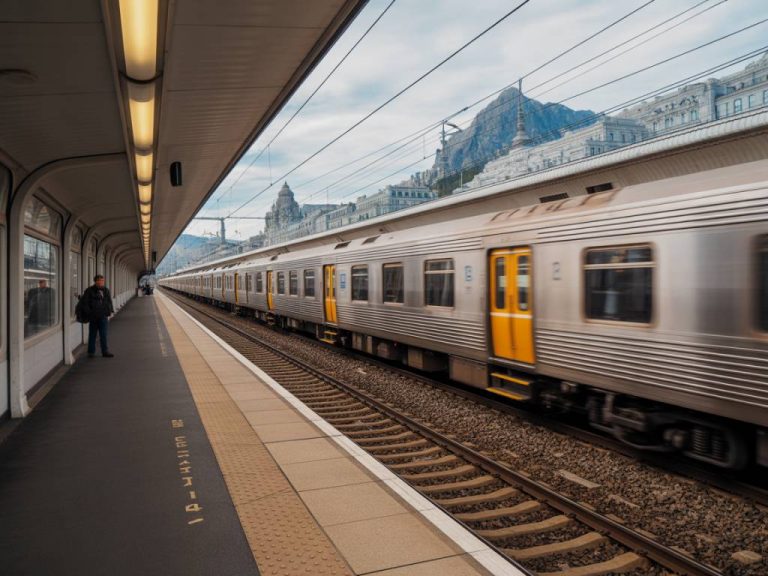
A carry-on bag, a tight schedule, and a trip that swings from client meetings to mountain switchbacks: that’s modern travel for a lot of men. You need to look credible in a city office, comfortable on a red‑eye flight, and capable on a rocky trail – without hauling half your closet around the world.
A minimalist men’s travel wardrobe is about more than packing light. It’s about building a tight, intentional set of pieces that:
The goal: one backpack or carry-on that sees you through a week of city meetings and a weekend in the mountains, without ever feeling underdressed or unprepared.
Mindset first: style that respects function
Minimalism in travel clothing isn’t about owning the least; it’s about owning the best‑performing few. Start with these principles before you even think about specific items:
Think like a stylist and a gear nerd at the same time. Your blazer should layer over a merino T‑shirt as easily as it does over a dress shirt. Your hiking pants shouldn’t look bizarre when you’re sitting in a café. That overlap is where the magic lives.
Build around one versatile color story
Color is the invisible backbone of a minimalist wardrobe. Your goal is to make mixing and matching frictionless. Choose one main base color (navy or charcoal works for most men) and one secondary accent (olive or tan, for a more rugged feel).
A sample palette that covers city and trail:
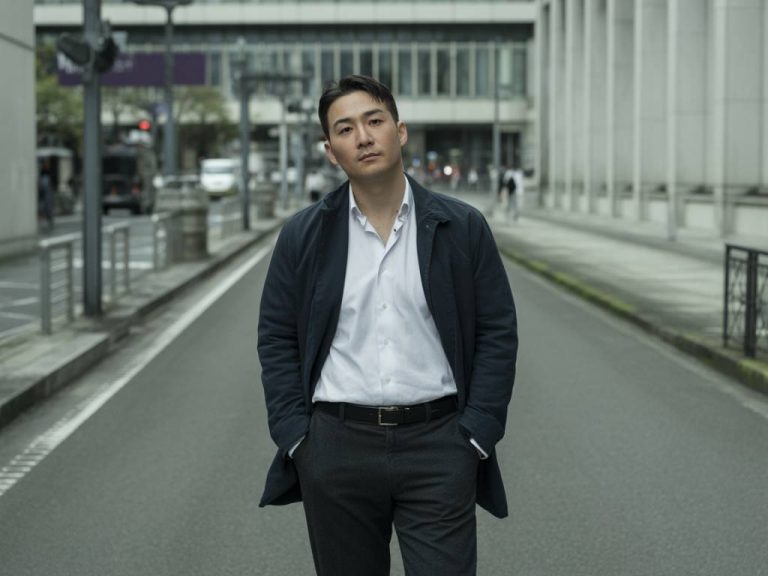
Every item you pack should slot into this palette. A navy jacket can be worn over a white tee with olive technical pants for a travel day, or over a light blue shirt and charcoal trousers for meetings.
The core tops: shirts that dress up or down
Your tops should handle conference rooms, airport lounges, and cold mountain air once layered correctly. Aim for a balance of smart and technical.
Packable options:
Look for shirts with minimal logos, a clean collar, and some stretch. Technical “travel shirts” often use quick‑dry, wrinkle‑resistant fabrics that move well from plane to trail, as long as the design stays subtle.
Bottoms that bridge the office and the outdoors
Your trousers do a lot of heavy lifting. You want at least one pair that passes in a business environment and one that can take a beating on a rocky path – ideally, both have some crossover.
Suggested lineup:
The trick is avoiding anything too “techy” in appearance. If your hiking pants look like office chinos from a distance, you can wear them with a shirt and sleek sneakers in the city. That’s a huge win for a minimalist wardrobe.
Footwear: three pairs that cover every scenario
Shoes are heavy and bulky, so restraint matters. With careful choices, three pairs can do everything from boardroom to boulder field.
A three‑shoe travel rotation:
Wear your bulkiest pair (often the hiking shoes) during flights and transit. Pack the others with shoe bags to protect your clothes.
Outerwear: one jacket, one shell
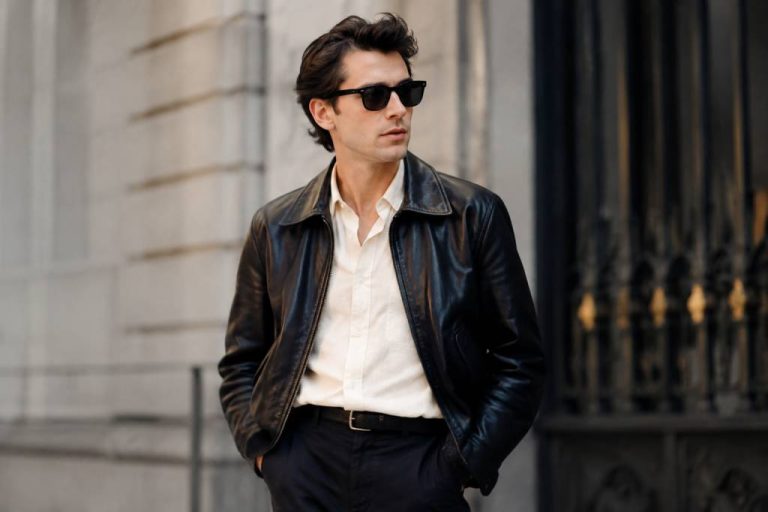
Outerwear can make or break the visual tone of your wardrobe. You want one piece that flatters you in the city and one that protects you in the elements. In many cases, you can combine these needs into a smart system.
Consider this combination:
Look for compressible options that pack into their own pocket or a small pouch, so you can stash them in a daypack without sacrificing space.
Underwear, socks, and the small things that matter
The unglamorous basics are where technical fabrics really shine. They keep you comfortable, reduce laundry, and cut down on how much you pack.
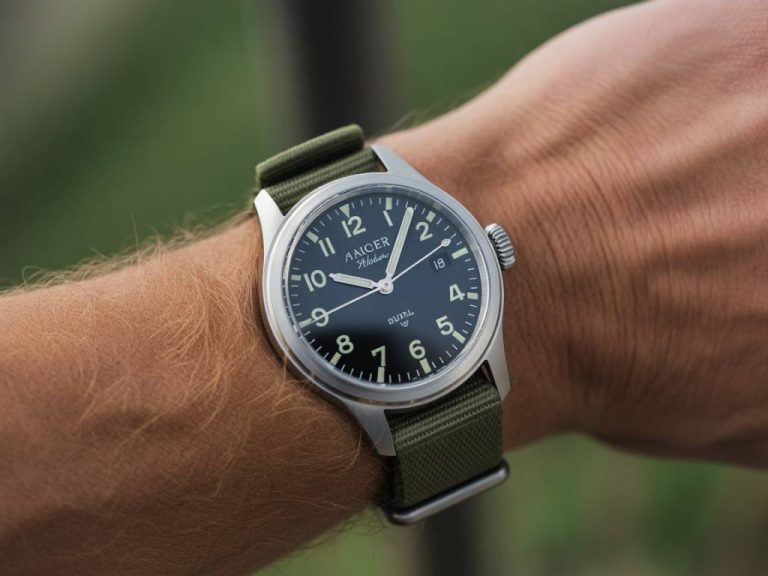
These accessories are small, but they can extend the range of your wardrobe dramatically, especially across climates.
Layering strategies for city, plane, and trail
The same items can feel business‑ready or adventure‑ready simply through layering. Think in terms of “outfit templates”:
City meeting template
Travel day template
Mountain trail template
By thinking in these templates, you’ll quickly see which items earn their place in your bag and which are just taking up space.
How to pack so your wardrobe actually stays usable
A minimalist wardrobe only works if you can see and access what you brought. A chaotic suitcase leads to overpacking on the next trip. Two simple tools make a massive difference:
Roll softer items (T‑shirts, underwear, socks) and fold more structured pieces (shirts, chinos, blazer). Place heavier items like shoes at the bottom or near the wheels of your suitcase to stabilize it. Keep one complete “grab and go” outfit at the top of your luggage so you don’t have to dig if you arrive late or tired.
Buying less, but buying better
Curating a minimalist travel wardrobe is an investment, but it doesn’t need to happen all at once. Build it piece by piece:
Every item you add should reduce the need for something else. When a new pair of technical chinos can replace both your usual office pants and your weekend hiking pants, you’re moving in the right direction.
In the end, a minimalist men’s travel wardrobe is freedom: fewer decisions in the morning, fewer bags to carry, and more headspace for the things you actually traveled to do – whether that’s closing a deal, getting lost in a new city, or standing alone on a quiet trail at sunrise.
À propos de l'auteur